
How to Create a Balanced and Flavorful Main Course
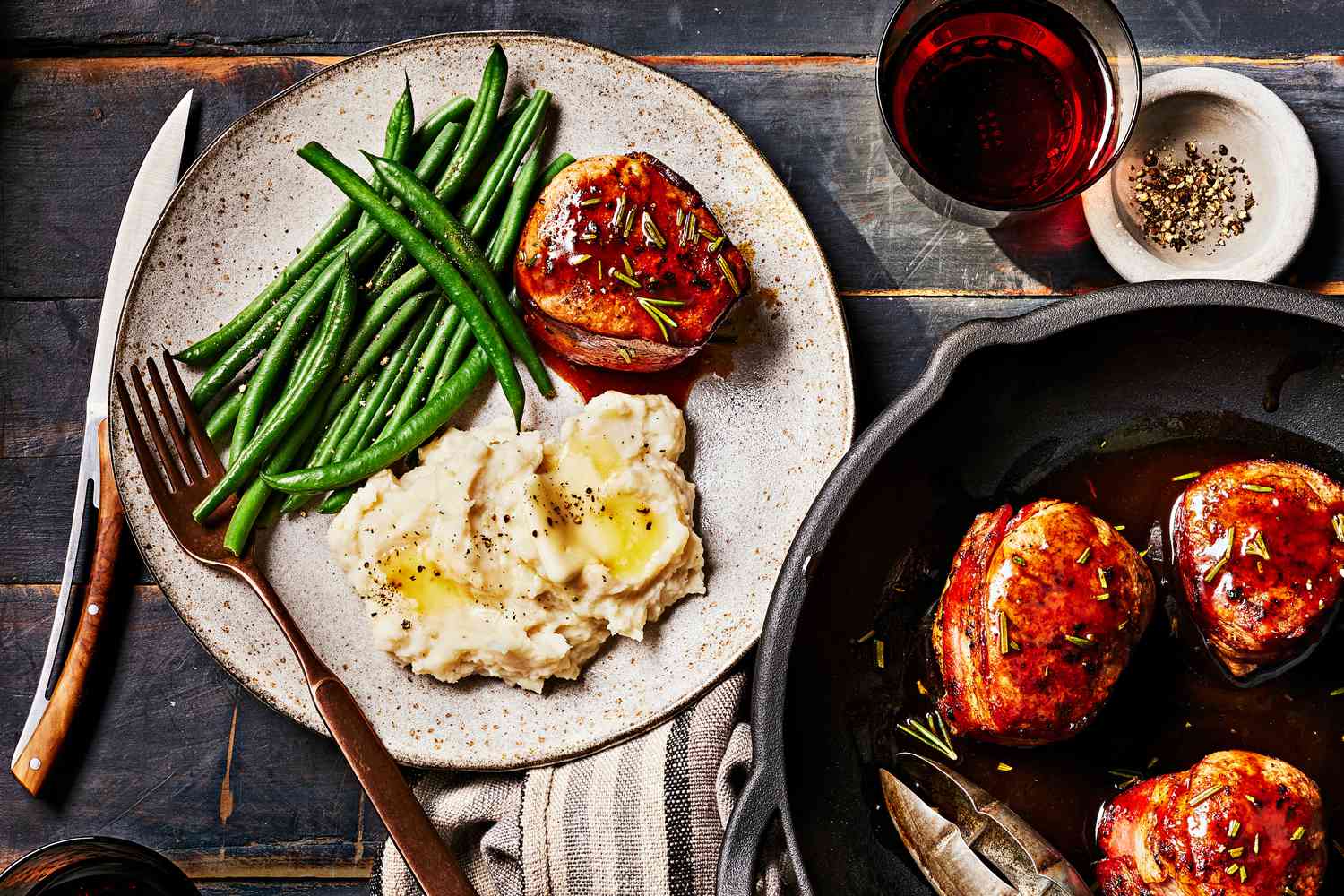
Crafting a balanced and flavorful main course is an art that combines skill, creativity, and a deep understanding of ingredients. Whether you’re a seasoned cook or just starting your culinary journey, achieving a perfect balance of flavors, textures, and nutrients in your main dishes is essential. With the right techniques and a few clever Main Course Cooking Tips, you can elevate your meals from mundane to extraordinary.
Understanding the Balance in Main Courses
A truly balanced main course harmonizes the elements of taste, texture, and nutrition. When we talk about Balanced Main Course Recipes, we are referring to dishes that skillfully incorporate the five basic tastes: sweet, salty, sour, bitter, and umami. Balancing these flavors ensures that no single element overpowers the dish, creating a harmonious and enjoyable eating experience.
For instance, a dish that is too rich and heavy can be lightened with a hint of acidity or bitterness, while a mildly flavored dish can be enlivened with a touch of sweetness or umami. In addition to taste, texture plays a critical role. A well-balanced main course often includes a variety of textures – think crispy, creamy, tender, and crunchy – to keep the palate engaged.
Choosing the Right Ingredients
The foundation of Creating Tasty Main Courses lies in the careful selection of ingredients. Fresh, high-quality produce, meats, and spices are crucial to achieving the desired balance and flavor. Seasonal vegetables, for instance, not only offer the best taste but also provide the most nutrients. Selecting the right cuts of meat or fish ensures that your dish is flavorful and satisfying.
When planning your main course, consider the seasonality of your ingredients. In the spring and summer, lighter proteins like chicken, fish, or tofu pair well with fresh herbs and vibrant vegetables. In the cooler months, heartier meats such as beef or lamb, combined with root vegetables and rich sauces, create a warming and satisfying meal.
The Importance of Seasoning
Seasoning is the backbone of any flavorful dish. A sprinkle of salt can enhance the natural flavors of your ingredients, while the right combination of herbs and spices can transform a simple meal into something extraordinary. For Flavorful Main Course Ideas, experiment with different spice blends and seasonings.
For example, a Mediterranean-inspired dish might include oregano, thyme, and rosemary, paired with lemon and olive oil for brightness. Meanwhile, an Asian-inspired main course might feature soy sauce, ginger, garlic, and a dash of chili for a kick. The key is to balance these flavors without overwhelming the dish.
Techniques for Enhancing Flavor
Beyond seasoning, certain cooking techniques can significantly enhance the flavor of your main course. Searing, for example, caramelizes the surface of meats, creating a deep, rich flavor. Deglazing the pan with wine or broth captures those browned bits left behind, forming the base of a luscious sauce.
Braising is another technique that can infuse your dish with flavor. Slow-cooking meat in a flavorful liquid allows it to absorb all the delicious nuances of the broth, wine, or sauce. For a more intense flavor, consider marinating your protein before cooking. This process allows the meat to soak up all the seasonings, resulting in a more robust and savory dish.
Balancing Nutrition in Main Courses
While flavor is paramount, a truly balanced main course also considers nutritional value. A well-rounded dish should include a good mix of protein, carbohydrates, and healthy fats, along with plenty of vegetables for fiber and essential nutrients. When creating Balanced Main Course Recipes, think of your plate as divided into sections: half should be filled with vegetables, a quarter with protein, and the remaining quarter with whole grains or starchy vegetables.
This approach ensures that your meal is not only delicious but also nourishing. For example, a grilled salmon fillet served with quinoa and a medley of roasted vegetables offers a perfect balance of protein, healthy fats, and complex carbohydrates. Add a squeeze of lemon and a sprinkle of fresh herbs, and you have a dish that is both flavorful and nutritious.
Presentation Matters
The visual appeal of your dish is almost as important as its taste. A beautifully presented meal enhances the dining experience and can even make the food taste better. When Creating Tasty Main Courses, pay attention to how you plate your food. Use a variety of colors and shapes to make the dish visually interesting.
For example, contrast the rich, dark hue of a roasted meat with the vibrant green of steamed asparagus or the bright orange of roasted carrots. Garnish with fresh herbs or a drizzle of sauce to add a finishing touch. The goal is to create a dish that looks as good as it tastes.
Experimenting with Flavors
Don’t be afraid to experiment in the kitchen. Some of the best Flavorful Main Course Ideas come from trying new combinations of ingredients and flavors. Play with different herbs, spices, and cooking methods to discover what works best for you. Sometimes, an unexpected pairing can result in a dish that is truly unique and memorable.
Conclusion
Crafting a balanced and flavorful main course is a rewarding endeavor that combines creativity, technique, and a deep understanding of ingredients. By following these Main Course Cooking Tips and paying attention to the balance of flavors, textures, and nutrition, you can create meals that are not only delicious but also satisfying and nourishing. So, embrace your inner chef, experiment with flavors, and enjoy the process of creating dishes that delight the senses and nourish the body.


