Finding a Satisfying Sandwich Near Me: Moving Beyond Convenience
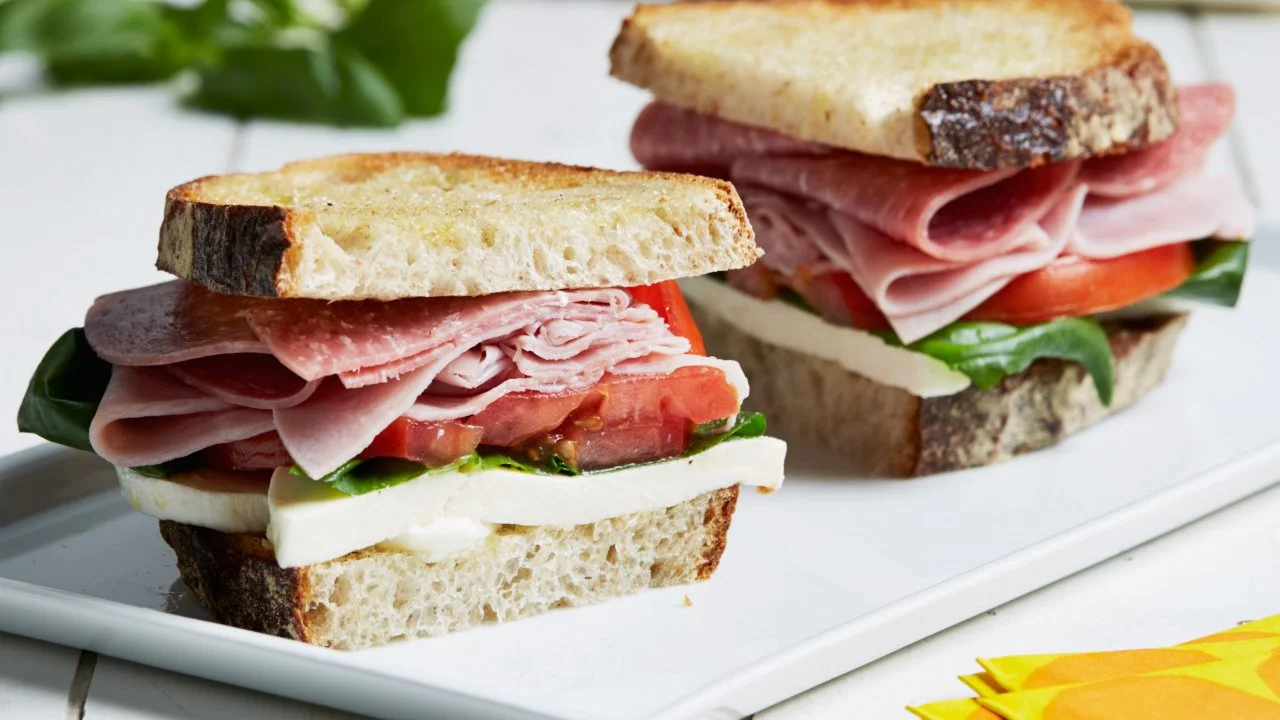
Most people approach the quest for a sandwich near me as a purely functional task. We often default to the closest option, assuming that convenience is the primary metric for satisfaction. However, a more nuanced look at how flavor profiles, ingredient quality, and assembly technique interact suggests that convenience may actually be the least important factor in whether a meal feels worth the time spent. When we stop viewing lunch as a rapid fueling stop and start treating it as a culinary experience, our criteria for selecting where to eat shift in helpful ways.
Common Assumptions About Where to Find Good Subs
There is a long-standing assumption that the most visible, high-volume storefronts are necessarily the best places to find quality food. It is easy to conclude that if a shop is everywhere, it must be the standard for best subs near me. This perception is often driven by brand recognition rather than the actual mechanics of food preparation.
In reality, the quality of a sub often depends on variables that are rarely visible from the sidewalk. A high-volume chain typically prioritizes uniformity and speed, which can necessitate the use of ingredients designed for long shelf lives rather than peak flavor. When you peel back the layers of this assumption, you find that the most consistent sandwiches are often produced by smaller, focused kitchens that emphasize sourcing over scale. These establishments may not have a location on every corner, but they tend to maintain better control over the specific qualities that define a great meal.
What Actually Determines the Quality of a Sub
When evaluating where to find a high-quality meal, it is more useful to look at the mechanisms of assembly than the popularity of the brand. A truly balanced sandwich relies on a specific sequence of structural and flavor-based considerations that distinguish a mediocre meal from a memorable one.
Consider the role of the bread. It is the foundation, and its performance matters more than most people acknowledge. High-quality bread should offer a distinct contrast between a crisp exterior and a soft, airy interior. If the bread is too dense or too soft, it fails to hold the ingredients in proper proportion, leading to a soggy or collapsing result. The best kitchens in this area often source their bread from partners who bake daily, recognizing that the difference between fresh-baked and mass-produced loaves is profound in terms of texture and taste.
Beyond the bread, the method of ingredient integration is what elevates the experience. Thoughtful assembly involves layering so that every bite includes a harmonious balance of proteins, fats, and acidity. A sandwich that is improperly stacked often results in a “bland bite” followed by an “overwhelming bite.” When looking for a quality sub, observe whether the kitchen treats the vegetable-to-meat ratio as a secondary thought or as a central component of the flavor architecture.
How to Discern Quality Before You Order
You can often gauge the potential quality of a meal by asking a few simple questions of the staff or observing the workflow in the kitchen. A transparent approach to ingredient sourcing is a strong indicator of a kitchen that cares about the output.
Ask whether the meats are sliced in-house or if they arrive pre-packaged. Fresh slicing makes a measurable difference in the moisture content and overall flavor profile of the proteins. Similarly, inquire about the preparation of the accompaniments. Are the greens crisp and vibrant, or do they appear to have been sitting in a bin for a long duration? Are the spreads made on-site, or are they standard commercial options?
These details matter because they reveal the kitchen’s commitment to the final product. A shop that invests the time to slice produce fresh and manage its inventory daily is inherently more likely to provide a superior meal than a kitchen that relies on pre-processed components designed for maximum speed. When you see a focus on these small but critical details, you are typically looking at a higher standard of care.
Reframing How We Choose Our Midday Meals
When you broaden your perspective, the quest for a sandwich near me transforms from a search for the nearest open door into a hunt for quality. Instead of allowing convenience to dictate your choice, consider the trade-offs you are making. A brief increase in travel time to reach a dedicated shop often results in a meal that is significantly more satisfying, both in terms of flavor and the way it leaves you feeling for the rest of the day.
For residents of the area, there is a clear benefit to exploring independent or smaller-scale options. These kitchens are often more sensitive to local preferences and have the flexibility to innovate with their menus. They are also more likely to be staffed by people who take pride in the assembly process, which is an intangible but essential part of any dining experience.
Ultimately, the best approach is to categorize your local options not by their name or their ubiquity, but by their attention to the fundamental building blocks of a sub: the freshness of the bread, the quality of the meats, and the intentionality of the assembly. When you start selecting your lunch based on these markers, you move away from the trap of settling for convenience and toward a more rewarding culinary routine. The next time you find yourself looking for best subs near me, remember that the most satisfying choice is rarely the one that is closest, but rather the one that is crafted with the most consideration for the final result. By prioritizing these elements, you can elevate a mundane daily habit into something that is genuinely worth anticipating.