Preparedness Beyond the Pantry: Building the Essential Emergency Food Supply for Your Family
Emergencies can strike with little to no warning, transforming daily life into a sudden struggle for basic resources. From severe weather events to prolonged power outages, the ability to sustain your family without access to grocery stores is the cornerstone of preparedness. While many households keep a stocked pantry, an Emergency Food Supply for a Family of Four requires a strategic approach that prioritizes long-term storage, nutritional balance, and ease of preparation without electricity. Building a comprehensive food plan for a family of four is not about creating a bunker mentality; it is about ensuring comfort, safety, and health when external systems fail.
The Strategy of Stockpiling: Planning for the First Two Weeks
The generally accepted standard for emergency preparedness is to have at least a fourteen-day supply of food and water for every member of the household. For a family of four, this means thinking in terms of volume and nutritional density. The goal is to provide roughly two thousand calories per person, per day, while ensuring the food is palatable and familiar to your children and spouse. Panic buying at the last minute is never effective; instead, you should treat your emergency stockpile as a gradual investment in your family’s safety, adding a few extra items to your shopping cart each week.
When selecting foods, prioritize items that require little to no water, cooking, or refrigeration. The inability to use a stove or microwave during a power outage is a major hurdle, so foods that can be eaten straight from the can or package are paramount. Additionally, consider the dietary preferences and restrictions of your family. Emergency situations are stressful, and having familiar, comforting foods can significantly boost morale, especially for younger children.
The Foundation: Non-Perishable Proteins and Canned Goods
Proteins are essential for maintaining energy and muscle health during stressful situations. The most reliable source of non-perishable protein is canned meat and fish. Stock up on canned tuna, salmon, chicken, and even canned ham or Spam. These items are versatile, require no preparation, and have a long shelf life. Canned beans, such as black beans, kidney beans, and chickpeas, are also excellent sources of protein and fiber, offering a robust foundation for a variety of meals.
Beyond protein, canned vegetables and fruits are necessary to maintain nutritional balance. While fresh produce is ideal, canned vegetables like corn, green beans, and peas provide essential vitamins and minerals. Canned fruits, packed in water or light syrup, provide necessary sugars for quick energy and help combat the monotony of emergency rations. Do not forget canned soups, stews, and chili; these “all-in-one” meals are easy to heat if you have a camping stove and are comfort food in a stressful situation.
Grains, Carbohydrates, and Long-Term Storage Staples
Carbohydrates provide the immediate energy necessary to navigate the physical demands of an emergency. Dry pasta and rice are essential staples, but they require water and fuel to cook. A better option for immediate consumption is crackers, which can be paired with canned meats or peanut butter for a complete meal. Peanut butter is perhaps the ultimate emergency food, being calorie-dense, high in protein and healthy fats, and requiring no cooking whatsoever.
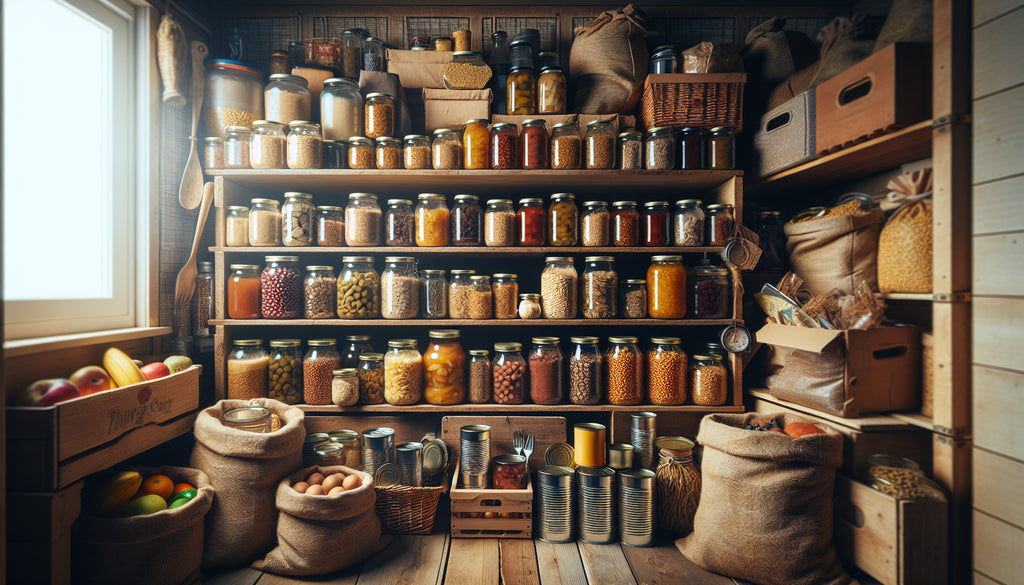
For long-term storage, items like oats, quinoa, and dried beans are excellent. These can be stored for years if kept in airtight containers in a cool, dry place. Consider purchasing vacuum-sealed bags of rice or beans, which can remain stable for a decade or more. Additionally, keep a supply of cereal, granola bars, and dried fruit on hand for easy breakfasts or snacks. These items are nutritious and familiar, which is important for maintaining routine during turbulent times.
Hydration and Essential Supplies
Food is only part of the equation; hydration is even more critical. You must store one gallon of water per person, per day, for drinking and sanitation. For a family of four, a fourteen-day supply requires fifty-six gallons of water. This can be stored in food-grade plastic containers or purchased in bulk bottled water cases. Alongside food, you must have the necessary tools to access it.
A manual can opener is perhaps the most important tool in an emergency supply list, yet it is frequently forgotten. If you cannot open your canned food, it is useless. Other essential tools include durable plastic cutlery, paper plates, and bowls to save on water that would otherwise be used for washing dishes. If you plan to cook dry goods, ensure you have a portable camping stove with extra fuel canisters and reliable matches or a lighter in a waterproof container.
Conclusion
Building an emergency food supply for your family is a proactive step that moves you from vulnerability to resilience. By focusing on non-perishable proteins, versatile grains, and essential comfort foods, you can ensure that your family remains nourished and calm during a crisis. Remember that preparedness is an ongoing process, not a one-time event; regularly check the expiration dates on your canned goods and rotate your stock to keep everything fresh. Taking these steps today provides peace of mind tomorrow, knowing that you have the resources necessary to care for your loved ones no matter what challenges arise.