Exploring the World of Freeze-Dried Dog Food: Unveiling Its Pros and Cons
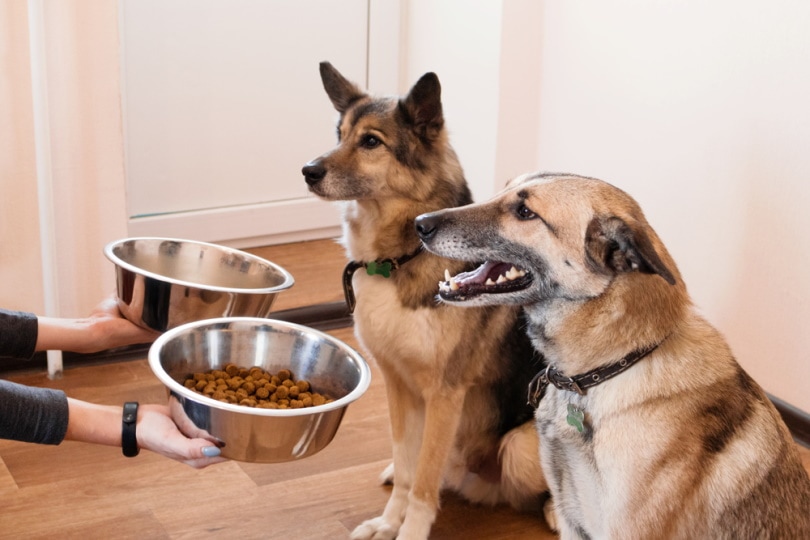
In the realm of dog food, freeze-dried options have been gaining popularity among pet parents seeking convenient and nutritious meal solutions for their furry companions. Freeze-dried dog food offers several benefits, but like any product, it also comes with its own set of drawbacks. In this comprehensive guide, we’ll delve into the pros and cons of freeze-dried dog food to help you make an informed decision about whether it’s the right choice for your pup.
Understanding Freeze-Dried Dog Food
Freeze-dried dog food is a type of food preservation method that involves freezing raw ingredients at extremely low temperatures and then removing the moisture through a process called sublimation. This process allows the food to retain its natural flavor, aroma, and nutrients while extending its shelf life without the need for artificial preservatives. The result is a lightweight, shelf-stable product that can be rehydrated with water before serving.
The Pros of Freeze-Dried Dog Food
- Nutrient Retention: One of the primary benefits of freeze-dried dog food is its ability to retain the natural nutrients found in raw ingredients. Because the food is freeze-dried at low temperatures, vitamins, minerals, and enzymes remain intact, providing optimal nutrition for your dog.
- Convenience: Freeze-dried dog food is incredibly convenient for pet parents who lead busy lifestyles or travel frequently with their furry friends. The lightweight, shelf-stable nature of freeze-dried dog food makes it easy to store, transport, and serve on the go.
- Long Shelf Life: Freeze-dried dog food has a significantly longer shelf life compared to fresh or raw dog food. Because the moisture has been removed from the food, there is less risk of spoilage or bacterial growth, allowing you to stock up on dog food without worrying about it going bad.
- Palatability: Many dogs find freeze-dried dog food highly palatable due to its concentrated flavor and aroma. Even picky eaters may be more inclined to eat freeze-dried dog food, making it a convenient option for pet parents struggling to find dog food their dogs enjoy.
- Versatility: Freeze-dried dog food can be served in its dry state or rehydrated with water to create a moist, meaty meal. This versatility allows pet parents to customize their dog’s feeding experience based on their preferences and dietary needs.
The Cons of Freeze-Dried Dog Food
- Cost: Freeze-dried dog food tends to be more expensive than traditional kibble or canned dog food. The freeze-drying process is labor-intensive and requires specialized equipment, which contributes to the higher cost of production.
- Limited Availability: While freeze-dried dog food is becoming increasingly popular, it may not be as readily available as other types of dog food. Some pet stores may not carry a wide selection of freeze-dried dog food brands, making it more challenging to find.
- Rehydration Process: Rehydrating freeze-dried dog food can be time-consuming and messy, especially when traveling or feeding multiple dogs. Pet parents must mix the correct ratio of water to food and wait for it to fully rehydrate before serving.
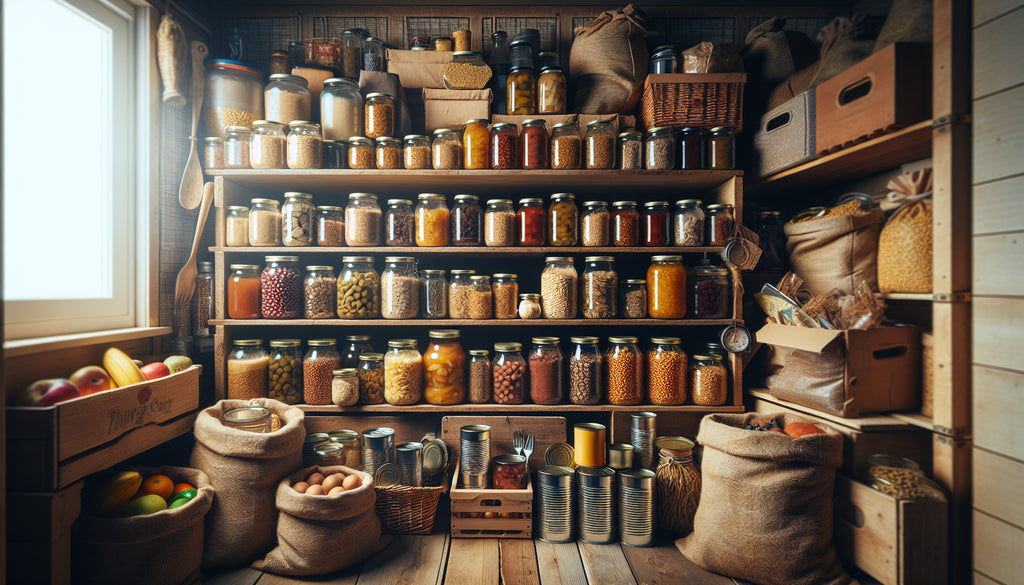
- Storage Requirements: While freeze-dried dog food has a long shelf life, it still requires proper storage to maintain its quality and freshness. Pet parents must store freeze-dried dog food in a cool, dry place away from moisture and heat to prevent spoilage.
- Potential for Overfeeding: Because freeze-dried dog food is lightweight and concentrated, it’s easy to overfeed your dog if you’re not careful with portion sizes. Pet parents must carefully measure out the appropriate amount of freeze-dried dog food to prevent weight gain and digestive issues.
Tips for Choosing and Using Freeze-Dried Dog Food
- Read Labels Carefully: When selecting freeze-dried dog food, carefully read the ingredient list to ensure it contains high-quality, natural ingredients without artificial additives or fillers.
- Consider Your Dog’s Needs: Choose freeze-dried dog food formulas that meet your dog’s specific dietary needs, such as age, size, activity level, and any food sensitivities or allergies they may have.
- Gradual Transition: If you’re switching your dog to freeze-dried dog food, transition gradually by mixing increasing amounts of the new food with decreasing amounts of the old food over a period of 7-10 days.
- Proper Storage: Store freeze-dried dog food in an airtight container in a cool, dry place to maintain its freshness and nutritional integrity.
- Monitor Your Dog’s Weight: Keep an eye on your dog’s weight and body condition while feeding freeze-dried dog food to ensure they’re maintaining a healthy weight and receiving adequate nutrition.
Conclusion
Freeze-dried dog food offers a convenient, nutritious, and palatable option for pet parents seeking an alternative to traditional kibble or canned dog food. While it comes with its pros and cons, understanding the benefits and drawbacks of freeze-dried dog food can help you make an informed decision about whether it’s the right choice for your pup. By considering factors such as cost, availability, storage requirements, and your dog’s individual needs, you can select the best freeze-dried dog food option to keep your furry friend happy, healthy, and well-fed.