
Japanese Sandwich – Mixed Sando ミックスサンド • Just One Cookbook

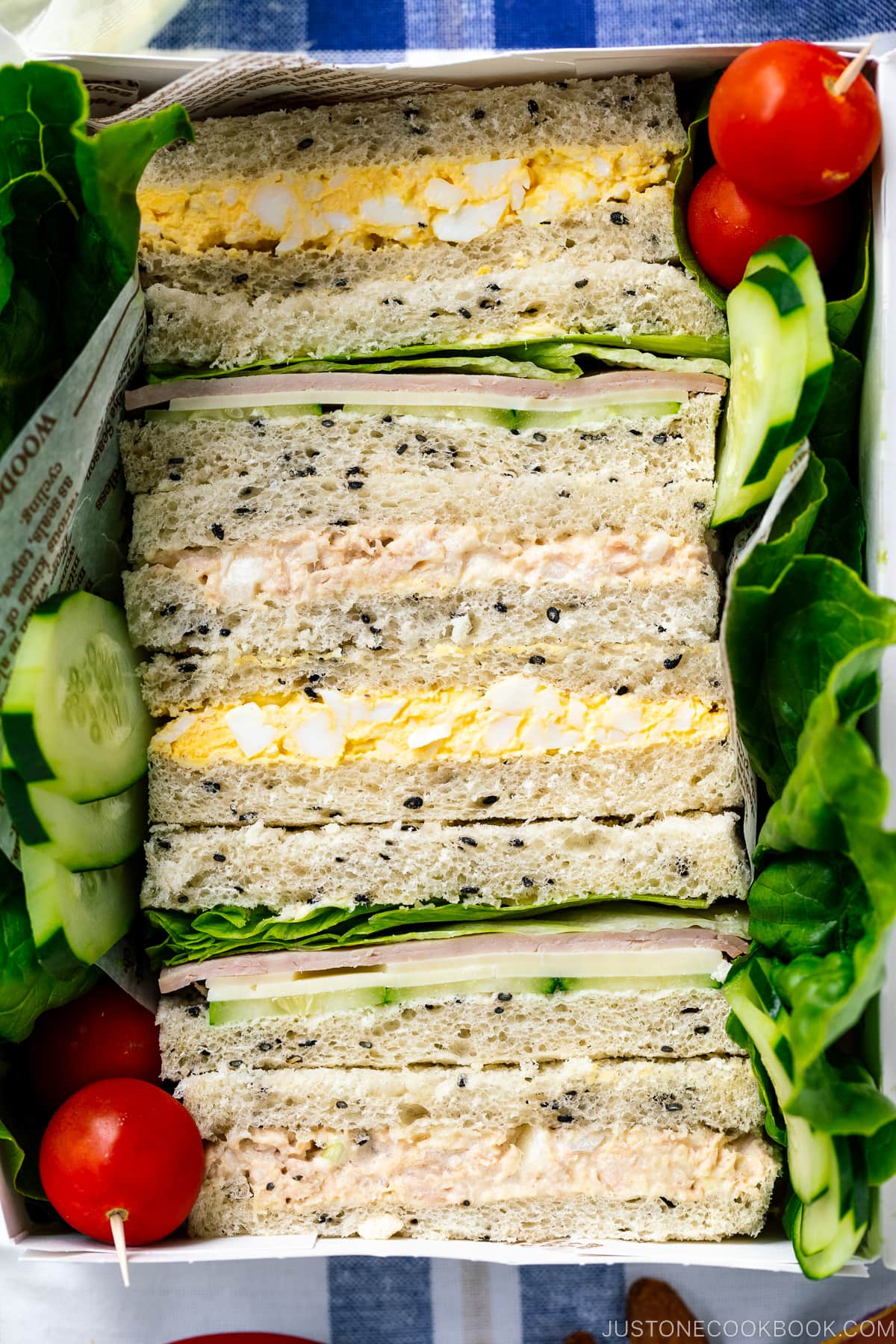
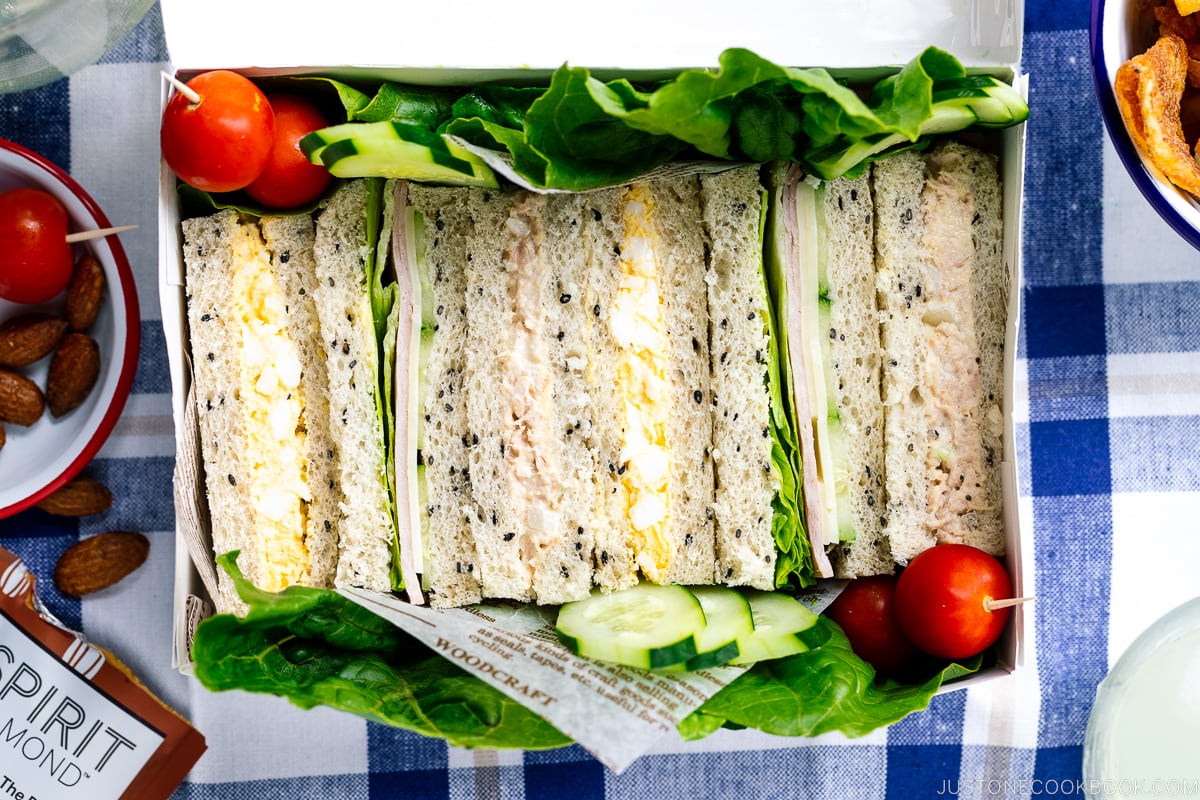
Mixed Sando (short for “sandwiches”) is a classic set menu item for Japanese sandwiches made with soft and tender Japanese milk bread. They’re found at cafes, restaurants, bakeries, and konbini (convenience stores) all across Japan. Home cooks make them for their children’s bentos and family picnics, too. Here, I show you three popular types of fillings: Tuna salad, tamago (egg salad), and ham and cheese with lettuce.
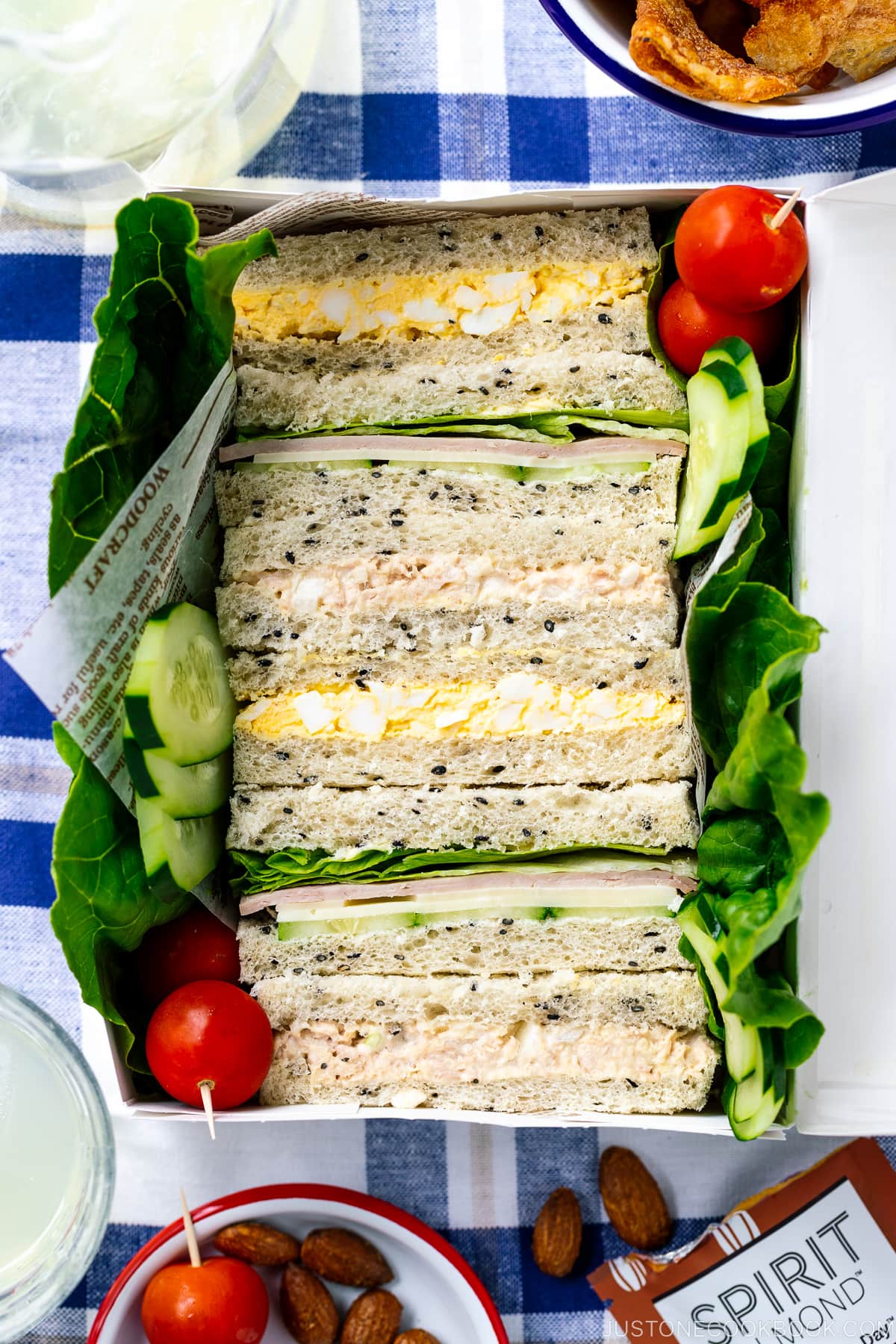
Japanese sandwiches like Katsu Sando and Tamago Sando have found their spots in today’s food world and pop culture. But as you may have guessed, there’s more to discover! Today I’m introducing one of the most classic sandwiches that should be on your radar: Mixed Sando (ミックスサンド).
Tucked inside fluffy slices of crustless bread and served as a set, these sandwiches are perfectly simple yet unmistakably comforting and nostalgic. Let’s make mixed sando at home!
What is Japanese Sandwich ‘Mixed Sando’?
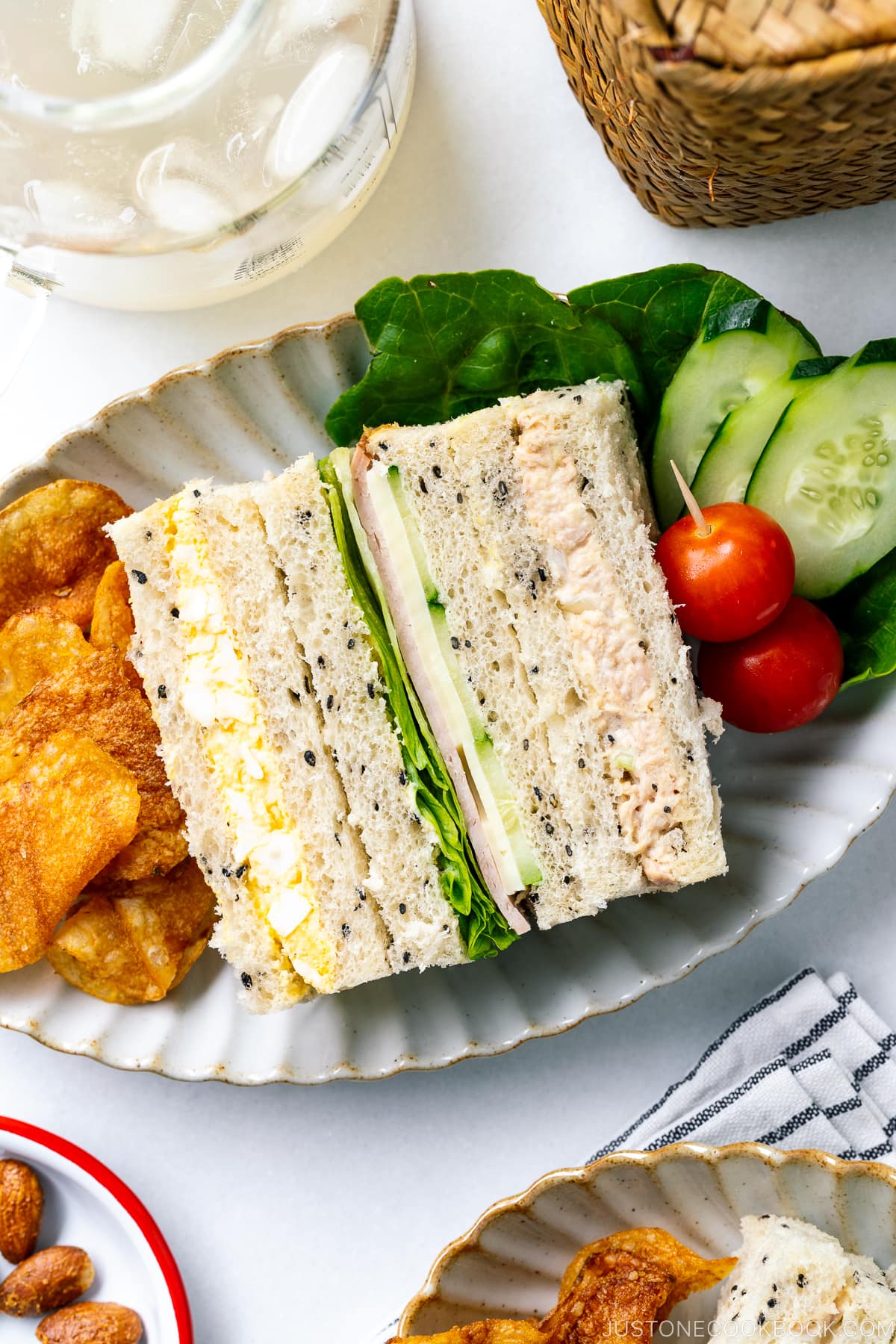
Mixed sando (ミックスサンド) typically refers to three different sandwiches served as a set. Nothing fancy, but it is a standard style of sandwich in Japan. The fillings include:
- Ham and cheese with lettuce
- Tuna salad
- Egg salad (tamago)
Both tuna and egg sandwiches are soft and creamy. The ham, cheese, and lettuce sandwiches add a nice crisp contrast. Together, they make a tasty combo that is well-balanced in texture, taste, and visual.
You can find mixed sandos everywhere: at cafes, restaurants, grocery stores, bakeries, and konbini (convenience stores). Because they are satisfying and nutritious, Japanese home cooks also love making these mixed sandwiches for their children’s bentos and picnics.
How to Make Mixed Sando
Ingredients You’ll Need
- Shokupan (Japanese milk bread) – The key component that makes the sandwich uniquely Japanese. I’ll talk about this more below.
- Butter – You used spreadable salted butter
- Kewpie Japanese mayonnaise – You can buy it on Amazon or make it yourself
- Mustard – Optional; I skipped it as my family is not fond of mustard.
- Salt and black pepper
- For Ham and Cheese Sandwich – Sliced ham, sliced cheese (I use Swiss), iceberg lettuce, and sliced Japanese/Persian cucumber
- For Tuna Sandwich – Canned tuna and minced onion
- For Egg Sandwich – Hard-boiled eggs and milk
Overview: Cooking Steps
- Make tuna salad and egg salad.
- Prepare the rest of the ingredients (rinse the lettuce, slice the cucumber, etc.).
- Cut the shokupan (Japanese milk bread) into thin slices (about 1-1.2 cm) and spread the butter, mayonnaise, and mustard (optional) on one side of the slice.
- Add the sandwich fillings for each type of sandwich and press it down by placing a plate on top.
- Slice off the crust of the sandwiches and cut them into smaller rectangular shapes.
Types of Sandwich Bread You Need
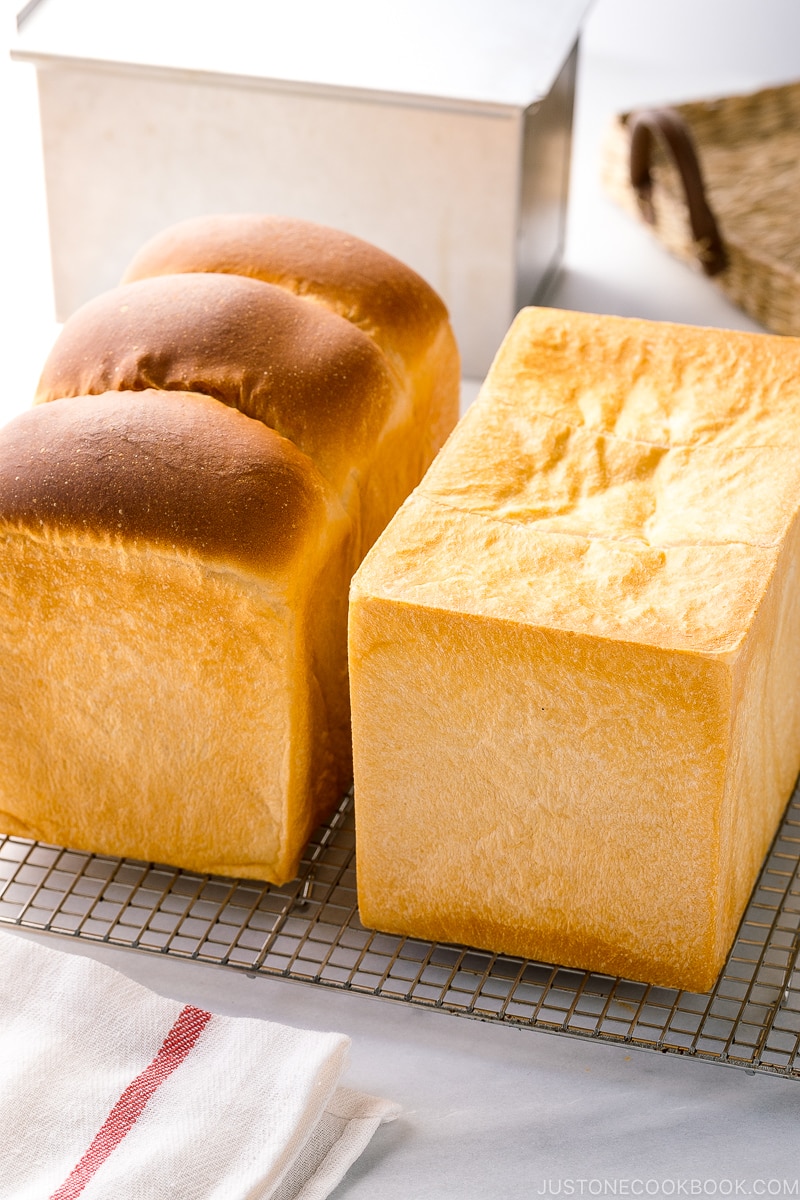
One distinct characteristic of Japanese sandwiches is the use of Shokupan (Japanese Milk Bread).
How is it different from the western style loaf of sandwich bread? Shokupan is known for its milky-sweet taste, incredibly fluffy texture, and pillowy softness. There is a lightness to the bread, which I think defines the essence of Japanese sandwiches.
You can either make your own milk bread or pick up a loaf from your local Asian grocery store. The pre-sliced shokupan for sandwiches comes with a 1 cm or 1.2 cm thickness, so you don’t have to cut the bread yourself. However, if you plan to make the shokupan for sandwiches, it’s not easy to hand slice the bread to an even 1-1.2 cm thickness.
I used Black Sesame Shokupan for this mixed sando recipe, but you can certainly use plain white shokupan.
If you really don’t have access to Japanese milk bread but still wish to make the recipe, go for the fluffiest, softest white bread you can find.
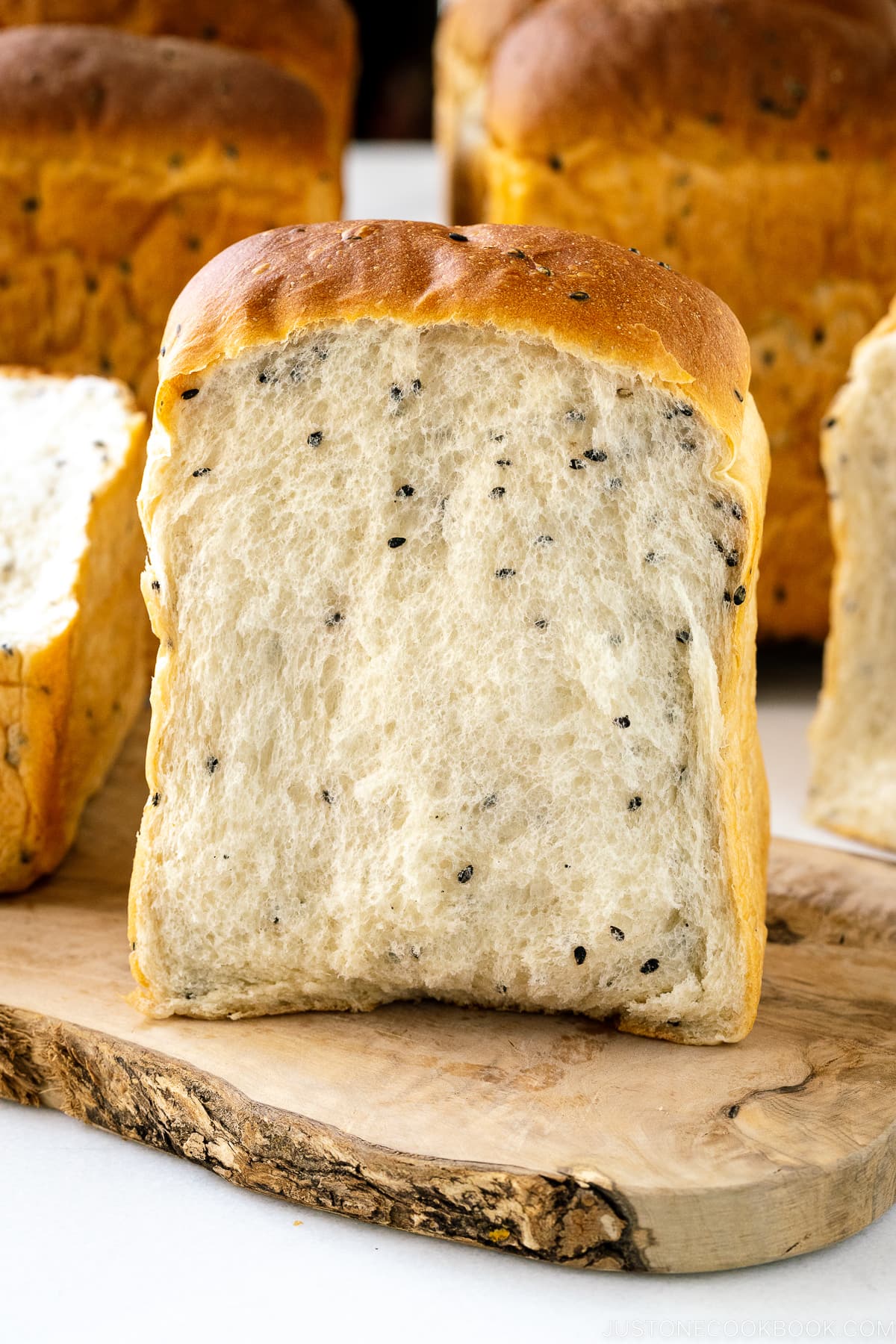
When I was growing up in Yokohama, Japan, the popular local bakery called Pompadour had mixed sandos made with black sesame milk bread. I have major cravings for sandwiches, so I made one for this recipe.
The black sesame seeds add a lovely nutty and earthy taste to the soft milk bread. If you have tried the classic plain shokupan, you need to make this black sesame version today as it is the next-level bread for Japanese sandwiches.
Tips to Make Japanese Sandwich ‘Mixed Sando’
- Use butter to shield the bread from moisture. I highly recommend spreading the butter as it acts as a waterproof shield/barrier so the bread stays dry, not soggy.
- Use Kewpie Japanese mayonnaise. For Japanese sandwiches, Japanese mayo is a must. It has a distinctly sweet, sour, umami-rich flavor that is crucial for the sandwiches.
- Press down the sandwich before slicing. Place a plate on top of the sandwiches. Weighing the sandwich helps to compress everything so the bread and the ingredients are bound together better.
- Cut off the crust of the bread. This is for the classic Japanese sandwich look. I do eat the crust when I make the sandwiches… no food waste. 🙂
What to Serve with Japanese Sandwiches
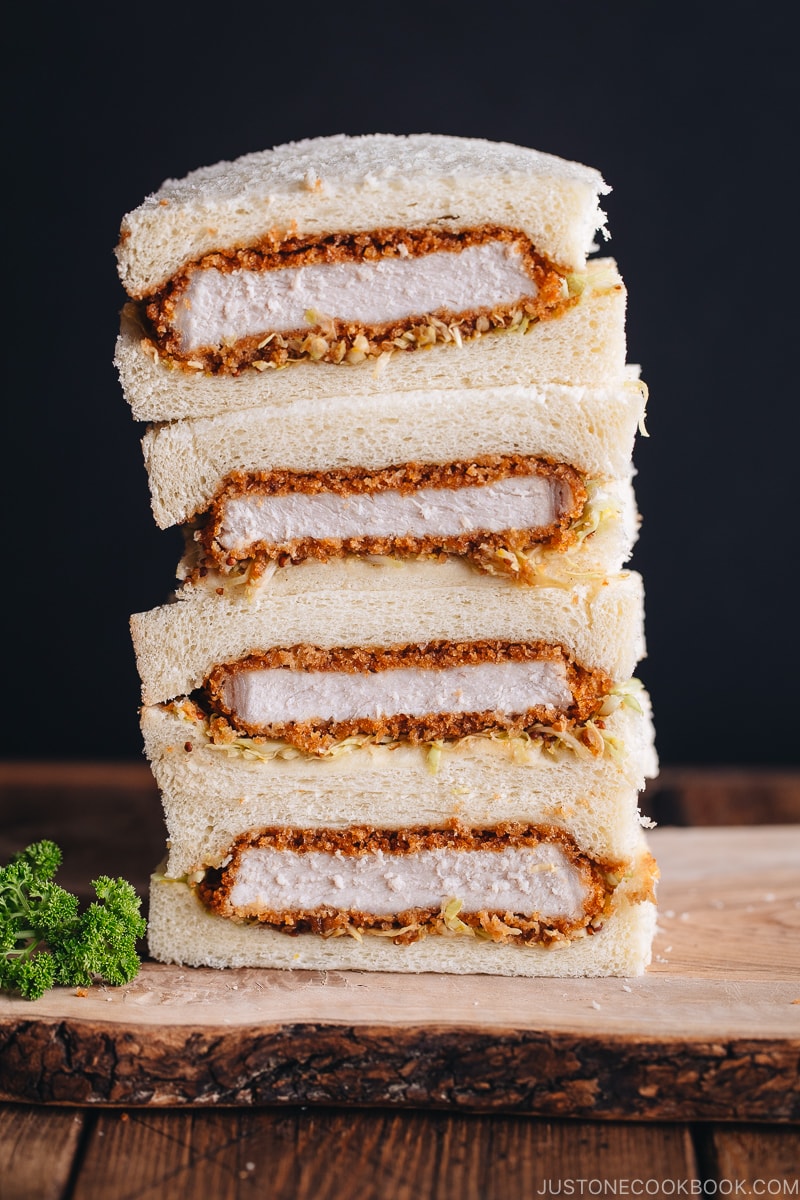
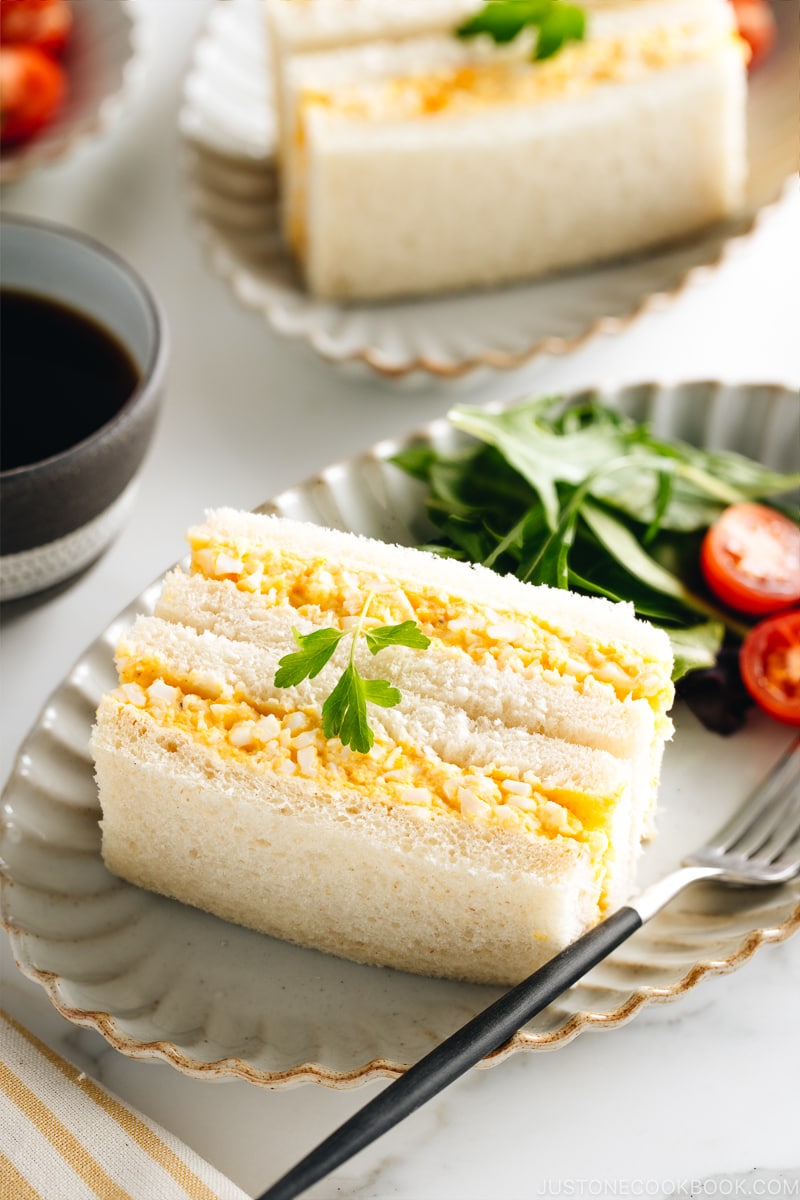
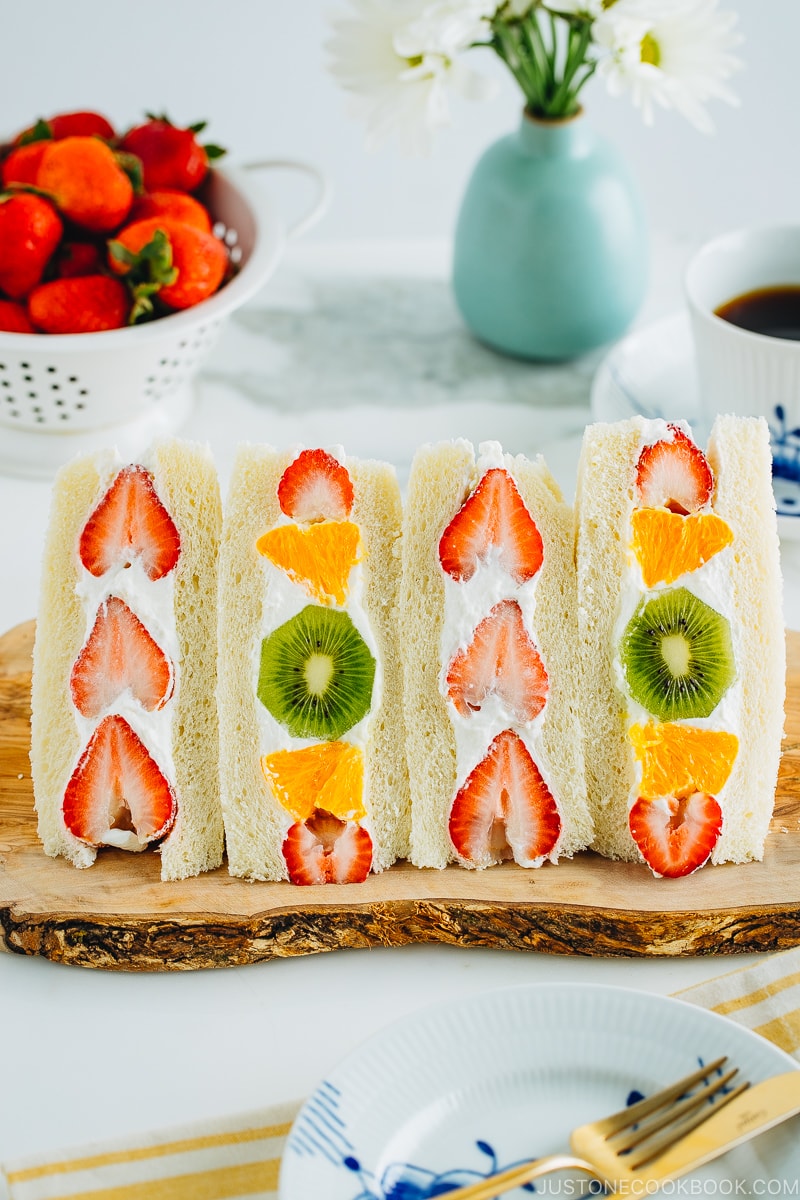
Other Classic Japanese Sandwiches
Wish to learn more about Japanese cooking? Sign up for our free newsletter to receive cooking tips & recipe updates! And stay in touch with me on Facebook, Pinterest, YouTube, and Instagram.
Japanese Sandwich (Mixed Sando)
Mixed Sando (short for “sandwiches”) is a classic set menu item for Japanese sandwiches made with soft and tender Japanese milk bread. They’re found at cafes, restaurants, bakeries, and konbini (convenience stores) all across Japan. Home cooks make them for their children’s bentos and family picnics, too. Here, I show you three popular types of fillings: Tuna salad, tamago (egg salad), and ham and cheese with lettuce.
Ingredients
For the Ham and Cheese Filling
Instructions
To Assemble the Sandwiches
-
Gather the filling ingredients for the three types of sandwiches.
-
If your bread is not pre-sliced, cut the shokupan into six thin slices, each about ⅓ to ½ inch (1 to 1.2 cm) thick. Lay out the six bread slices for the three sandwiches.
-
Using a butter knife, spread a thin layer of butter on all six slices. For the Tamago Sando, scoop one portion of egg salad onto one of the slices and spread to distribute evenly.
-
For the Ham and Cheese Sando, spread the Japanese mayo (and mustard, if desired) onto two of the buttered slices. On one of those slices, layer the iceberg lettuce, ham, cheese, and the cucumber slices on top.
-
For the Tuna Sando, scoop the tuna salad onto one of the remaining sandwich slices and spread evenly. Put the other slice of bread on top, buttered side down. For the Ham and Cheese Sando, put the slice on top that has both the butter and mayonnaise, spread side down. Finally, put the remaining slice of bread on top of the egg salad, buttered side down. Then, place plates on top of the sandwiches to compress the ingredients slightly. Set aside for 5 minutes.
-
After 5 minutes, remove the plates. If you’d like, cut the crusts off the sandwiches.
-
Cut each sandwich horizontally into thirds for three equal rectangular pieces. They’re now ready to serve. For each serving, arrange one piece of each type of sandwich onto a plate for a total of three pieces. In the photo to the right, I show how to present two servings in a carry-out box.


