The Future of Recipe Innovations and Trends

The culinary world is perpetually evolving, with each year bringing a fresh wave of creativity and technological advancements. As we look toward the future, upcoming food trends 2025 are poised to redefine our dining experiences. With a blend of innovative cooking techniques and emerging culinary innovations, the kitchen is becoming a playground of possibilities. Here’s a glimpse into the future of recipe development and how these trends are shaping the way we cook and eat.
Embracing Innovative Cooking Techniques
Innovation in the kitchen is not just about new gadgets but also about how we approach cooking itself. Innovative cooking techniques are setting the stage for a culinary revolution. From molecular gastronomy to precision cooking, these methods are transforming traditional recipes into gastronomic masterpieces.
Molecular gastronomy, for example, blends science and cuisine to create unexpected textures and flavors. Techniques such as spherification and foaming are becoming increasingly popular, allowing chefs to turn liquids into caviar-like spheres or create ethereal foams that add a surprising element to dishes.
Similarly, sous-vide cooking—a technique that involves vacuum-sealing food and cooking it in a temperature-controlled water bath—is gaining traction. This method ensures precise cooking and retains the food’s natural flavors and nutrients, making it a favorite among health-conscious and gourmet enthusiasts alike.
Exploring Future Recipe Development Ideas
As we look ahead, future recipe development ideas are emerging with a focus on sustainability, personalization, and technology integration. One of the most exciting areas is the use of artificial intelligence in recipe creation. AI-driven platforms are beginning to assist chefs in developing new recipes by analyzing flavor profiles, ingredient compatibility, and even dietary preferences. This not only speeds up the creative process but also opens up new avenues for culinary experimentation.
Additionally, the concept of personalized nutrition is gaining momentum. Recipes tailored to individual health needs and genetic profiles are becoming more prevalent. This trend is driven by advances in genomics and nutritional science, allowing recipes to be customized to optimize health benefits and cater to specific dietary requirements.
The Rise of Sustainable and Ethical Cooking
Sustainability is at the forefront of emerging culinary innovations. As awareness of environmental issues grows, there is a strong push toward sustainable cooking practices. This includes using locally sourced ingredients, minimizing food waste, and incorporating plant-based alternatives into recipes.
Lab-grown meats and alternative proteins are gaining ground as viable options for reducing the environmental impact of food production. These innovations not only address ethical concerns but also offer new flavors and textures that can be seamlessly integrated into traditional recipes.
The Role of Technology in Modern Cuisine
The intersection of technology and cuisine is an exciting frontier. Upcoming food trends 2025 will likely feature an increased reliance on smart kitchen appliances. Devices equipped with artificial intelligence and machine learning are becoming more common, offering precise control over cooking conditions and enhancing the overall cooking experience.
3D food printing is another technological marvel making waves. This technique allows for the creation of intricate food designs and textures that were previously impossible. From personalized chocolate sculptures to intricate pasta shapes, 3D food printing is expanding the boundaries of culinary creativity.
Fusion of Global Flavors and Techniques
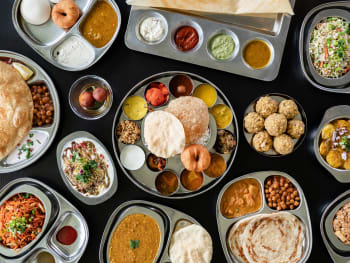
The future of recipe innovations also involves a continued fusion of global flavors and techniques. As culinary boundaries become more fluid, chefs are increasingly blending elements from diverse cuisines to create unique and exciting dishes. This cross-cultural approach enriches traditional recipes with new ingredients and cooking styles, offering a broader range of flavors and textures.
For instance, incorporating Asian spices into classic European dishes or using Mediterranean techniques in Latin American recipes can yield extraordinary results. This blending of flavors not only introduces new taste experiences but also reflects the growing interconnectedness of global food cultures.
Conclusion
The future of recipe innovations is bright and full of possibilities. As we move toward upcoming food trends 2025, the culinary landscape will continue to evolve with innovative cooking techniques, emerging culinary innovations, and a focus on sustainability and personalization. Embracing these trends will allow chefs and home cooks alike to explore new flavors, techniques, and technologies, transforming the way we approach cooking and eating. The journey ahead promises a culinary adventure that blends tradition with innovation, offering an exciting glimpse into the future of food.